Why Geometry Dash Continues to Dominate Rhythm Gaming
 The Addictive Simplicity Behind Geometry Dash
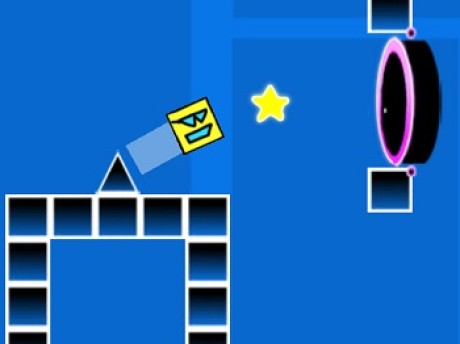
In the world of mobile and indie gaming, few titles have achieved the cult-like popularity of Geometry Dash. Released by RobTop Games, the game transformed a simple one-touch mechanic into one of the most challenging and rewarding gaming experiences ever created. What initially looks like a colorful cube jumping over spikes quickly becomes a fast-paced test of precision, memory, and rhythm.
Unlike traditional platform games, Geometry Dash relies heavily on synchronization between gameplay and music. Every obstacle, jump, and movement is carefully timed with energetic electronic soundtracks, creating an experience that feels more like performing a song than simply playing a game. This unique combination of rhythm and action is one of the main reasons why millions of players continue returning to the game years after its release.
How Geometry Dash Became a Global Gaming Phenomenon
A Perfect Blend of Music and Challenge
One reason Geometry Dash stands out is its ability to transform frustration into motivation. Players often fail dozens—or even hundreds—of times before completing difficult levels. Yet instead of feeling unfair, the game encourages improvement through repetition and rhythm recognition.
The music-driven gameplay creates a natural learning process. Players subconsciously memorize patterns while syncing movements with the beat, making every successful run feel satisfying and earned. This rewarding difficulty system has helped Geometry Dash maintain a loyal global fanbase.
Creative Community Levels Keep the Game Alive
Another major factor behind the game’s long-term success is its powerful level editor. Players can design custom stages using different themes, soundtracks, visual effects, and gameplay mechanics. Over time, this feature transformed Geometry Dash from a standard rhythm platformer into a massive creative platform.
Today, the community has created millions of levels ranging from beginner-friendly adventures to nearly impossible “Extreme Demon” challenges. Some levels are designed for competitive players, while others focus on storytelling, visual art, or music synchronization. This endless stream of user-generated content ensures that the game never feels outdated.
Why Geometry Dash Appeals to Every Type of Gamer
Easy to Learn, Difficult to Master
Geometry Dash follows a classic gaming philosophy: simple controls with deep mastery potential. New players only need one button to play, making the game instantly accessible. However, mastering advanced timing, wave mechanics, and high-speed sections requires patience and skill.
This balance attracts both casual gamers and hardcore players. Beginners enjoy the colorful visuals and catchy music, while experienced players chase achievements, harder levels, and faster reaction times.
A Competitive Yet Personal Experience
Interestingly, Geometry Dash is mostly a single-player experience, yet it still feels highly competitive. Players constantly compare completion percentages, attempt counts, and demon-level victories. Completing a difficult level often becomes a personal milestone that players proudly share online.
Streaming platforms and video-sharing communities have also contributed to the game’s popularity. Watching skilled players conquer impossible-looking levels inspires others to improve and participate in the community.
The Lasting Legacy of Geometry Dash
Geometry Dash remains one of the most influential rhythm-based platform games ever created. Its combination of fast gameplay, music synchronization, creative freedom, and rewarding difficulty has built a gaming experience unlike any other.
More than just a mobile game, Geometry Dash represents persistence, creativity, and the excitement of overcoming impossible odds. As long as players continue creating new challenges and pushing their skills further, the game’s popularity is unlikely to fade anytime soon.